Technical Hurdles in Aligning Casino Software with Next-Generation Mobile Devices
Ulrich Friedrich · Nov 13, 2026

Technical Hurdles in Aligning Casino Software with Next-Generation Mobile Devices
Emerging mobile platforms continue to introduce fresh layers of complexity for casino software providers who must maintain seamless functionality across evolving hardware and operating systems. Developers face ongoing pressure to adapt game engines, payment gateways, and security protocols while new devices roll out with specialized processors, display technologies, and connectivity standards. Research from the New Jersey Division of Gaming Enforcement indicates that integration timelines for major providers have extended by several months when targeting devices released after 2024.
Platform Fragmentation and Operating System Updates
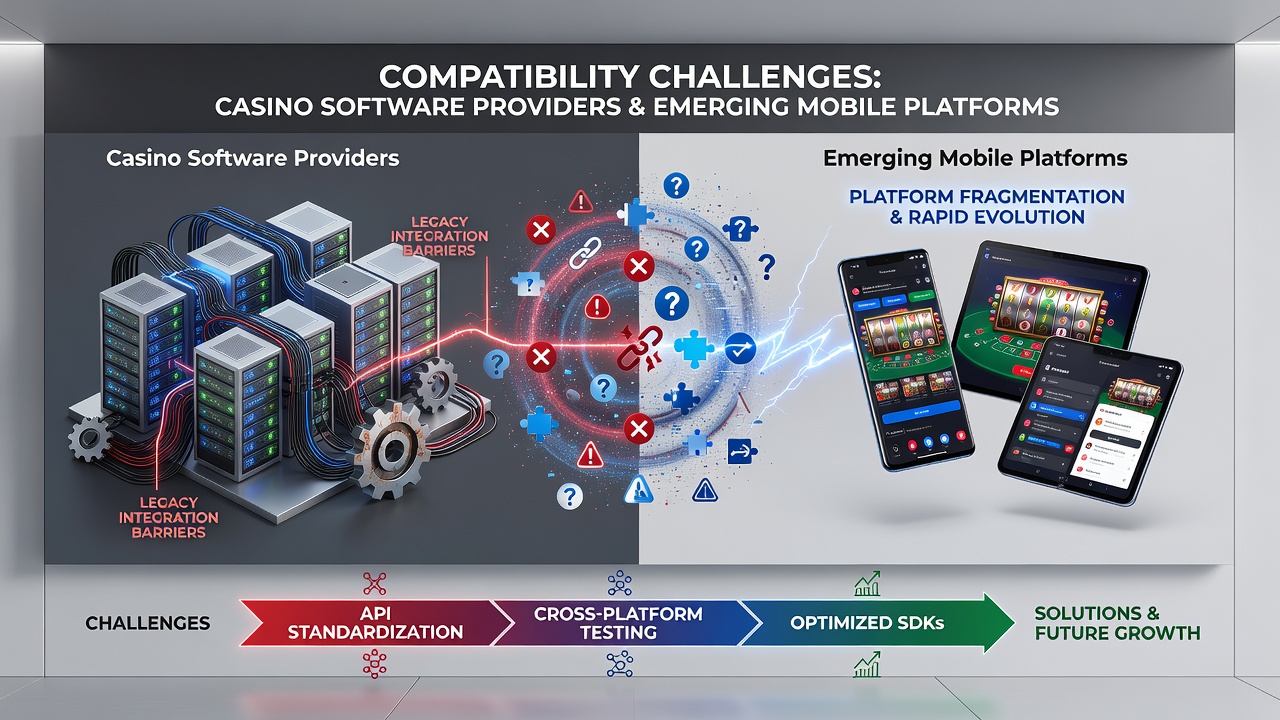
Android device manufacturers release custom skins and frequent updates that alter memory management and graphics rendering pipelines, which forces casino software teams to retest every title on dozens of hardware configurations. Apple maintains tighter control over iOS releases yet still rolls out changes to Metal graphics frameworks and App Store review policies that affect real-money gaming applications. Observers note that providers must allocate dedicated engineering resources simply to monitor beta versions of both major operating systems throughout the year.
HarmonyOS and other alternative systems entering the market add another variable because they use different application frameworks and security sandboxes. Data shows that applications built for dominant platforms often require substantial code rewrites before they can pass certification on these newer environments. Those who've studied cross-platform development patterns report that even minor differences in WebView implementations can break live dealer streaming features or bonus round animations.
Hardware Innovations and Performance Demands
Foldable screens and high-refresh-rate displays create rendering challenges that standard game engines were not originally designed to handle. Casino titles must now scale user interfaces dynamically while preserving touch accuracy across varying screen folds and hinge mechanisms. Performance benchmarks released in late 2025 revealed that certain slot mechanics experienced frame drops on early foldable models until providers optimized asset loading sequences.
Wearable platforms such as advanced smartwatches present even tighter constraints on processing power and battery life. Software providers have begun exploring simplified versions of popular games that maintain regulatory compliance while operating within limited screen real estate and input methods. Figures from industry reports compiled by the Canadian Gaming Association highlight that wearable integration projects typically require separate development tracks rather than simple scaling of existing mobile applications.
Security Protocols and Regulatory Compliance Across Devices
Each new mobile platform arrives with its own encryption standards and authentication methods, which casino operators must verify against jurisdiction-specific requirements. As of November 2026, several European regulators have updated guidelines to include explicit testing protocols for devices using on-device AI accelerators that might influence random number generation or player behavior tracking. Providers must therefore coordinate with multiple testing laboratories to obtain certifications that remain valid across both established and emerging hardware.
Payment integration adds another dimension because digital wallet services and biometric authentication methods evolve at different rates on various platforms. A single provider may need to maintain several versions of its cashier module to support the latest facial recognition APIs alongside traditional PIN entry systems. Those responsible for compliance documentation often find that audit trails must capture device-specific data points to satisfy oversight bodies in different regions.
Testing Methodologies and Resource Allocation
Automated testing frameworks help identify basic compatibility issues yet still require extensive manual verification for live dealer interactions and progressive jackpot systems. Companies that maintain large device farms report higher operational costs when new platforms gain market share quickly. Research indicates that providers who invest early in cloud-based device emulation tools reduce physical hardware expenses while still catching most rendering and latency problems before public release.
Collaboration between software providers and platform manufacturers has become more structured in recent years, with joint working groups sharing technical specifications ahead of major launches. These partnerships allow casino developers to access early documentation and beta hardware, shortening the gap between device availability and certified game deployment. Data from academic studies on mobile gaming infrastructure shows measurable improvements in release cadence when such coordination occurs consistently.
Conclusion
Casino software providers continue to navigate a shifting landscape where mobile platform advancements introduce both opportunities and technical obstacles. Ongoing adaptation requires sustained investment in testing infrastructure, regulatory coordination, and cross-platform engineering expertise. The patterns observed through 2026 suggest that successful integration depends on proactive engagement with device manufacturers and regulators rather than reactive fixes after new platforms reach consumers.